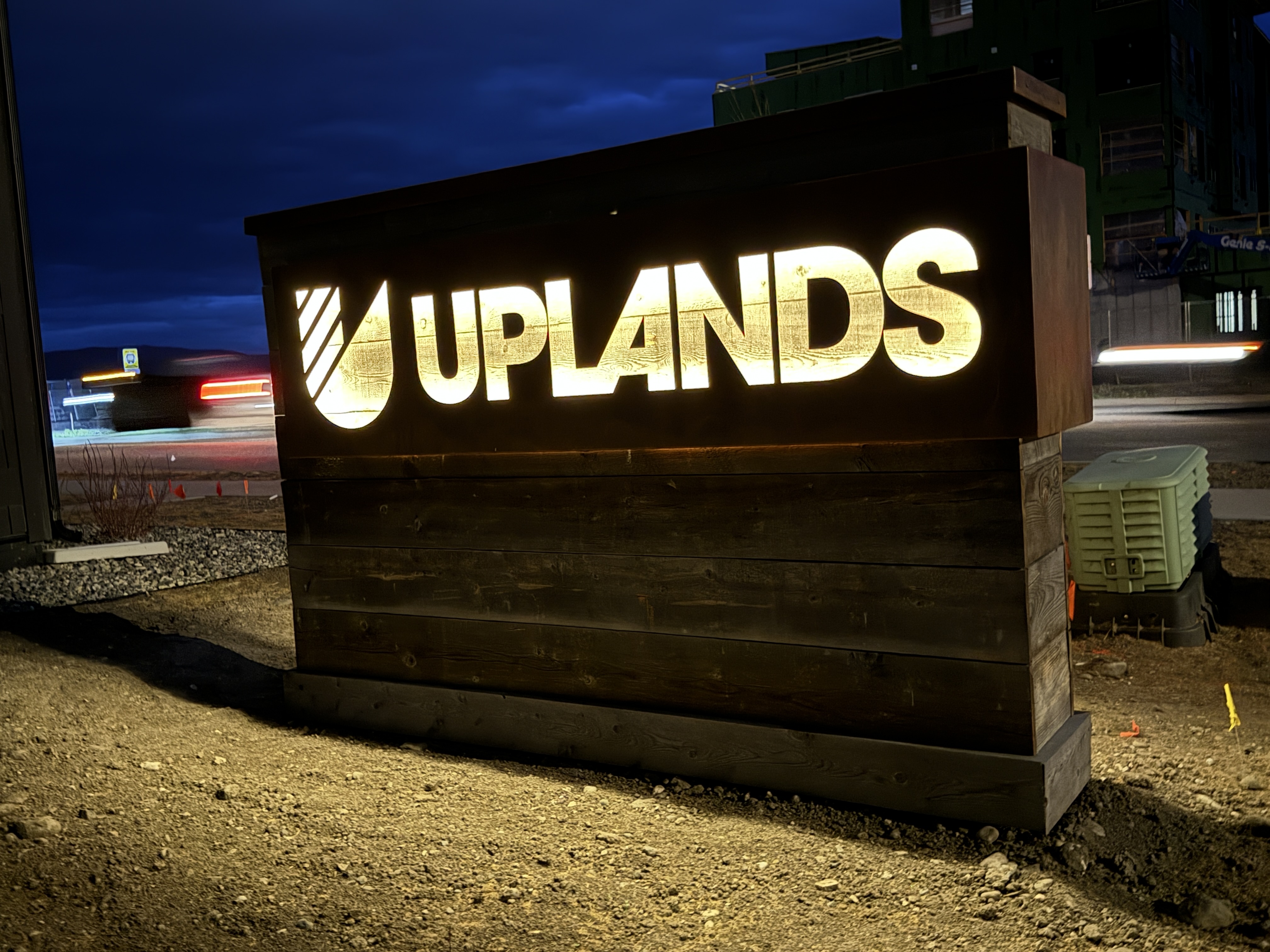
Face-lit
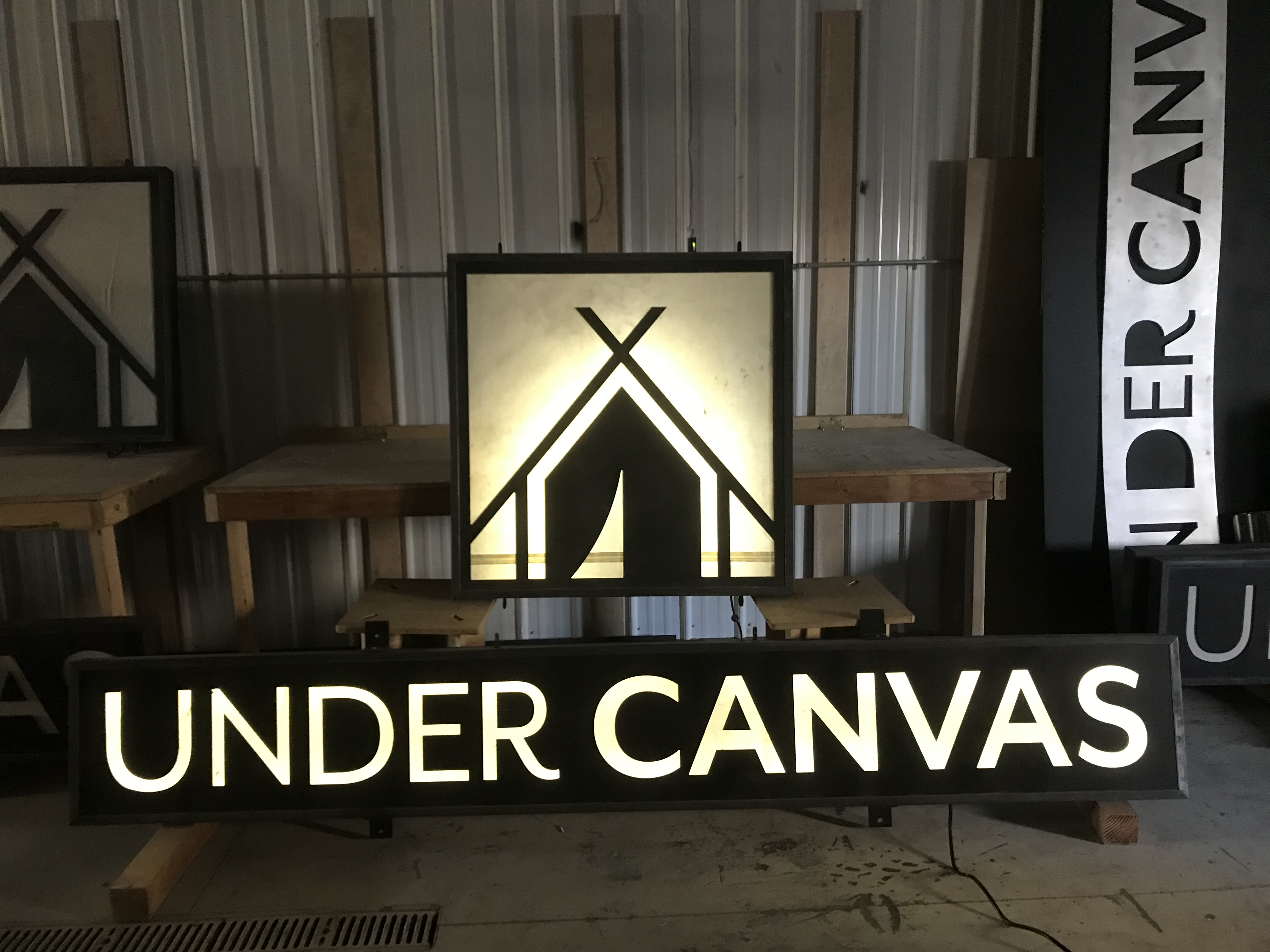
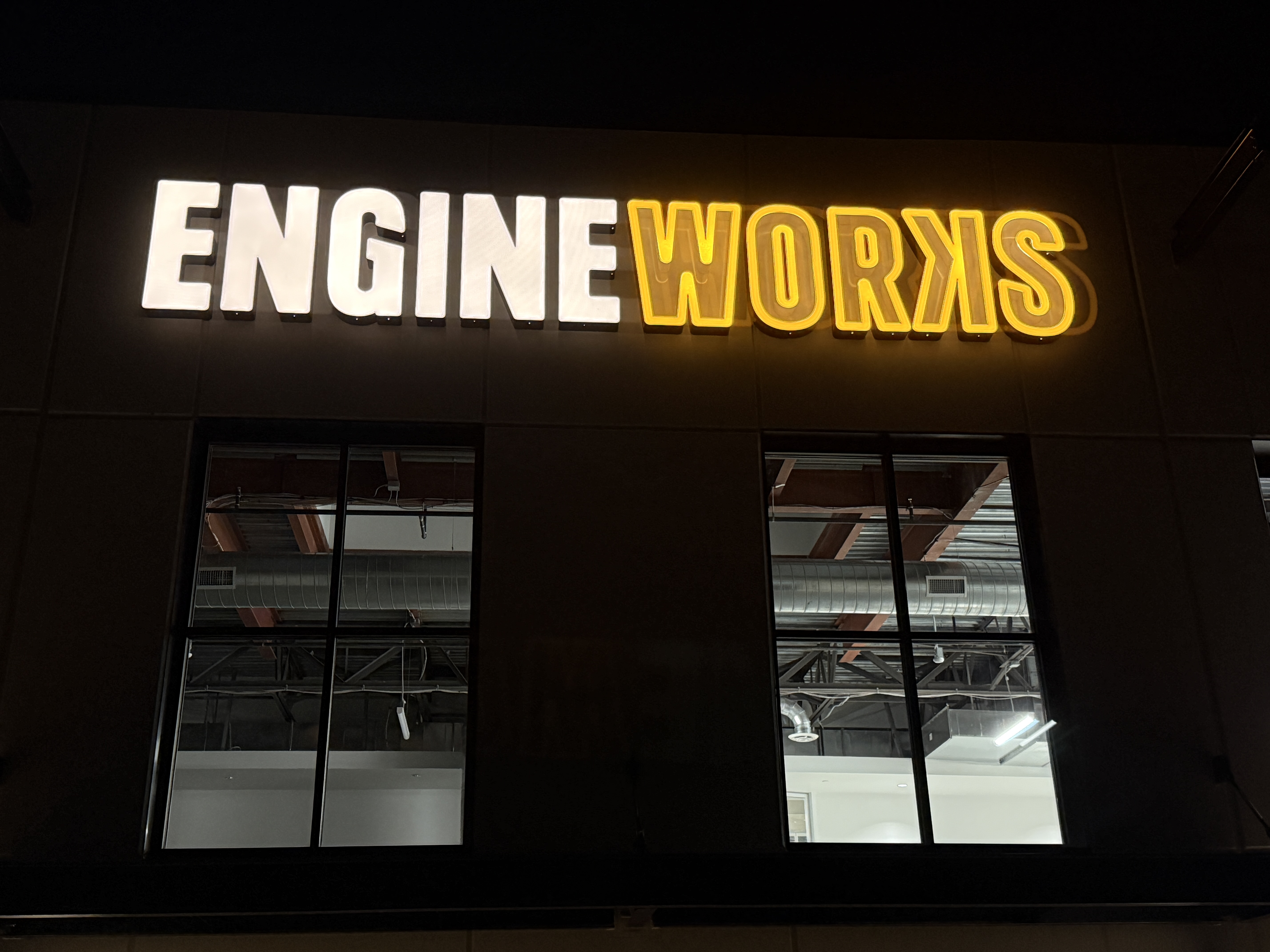
The front of each letter or panel is translucent and glows. Face-lit signs are the brightest option and read clearly from a distance after dark.
Our work reaches from Alaska to New Hampshire
Sign Guide
See what you like, and we will help you put a name to it.
You do not need to know sign terminology to start a project. This guide uses our own project photographs to show the common ways a sign can glow and the common ways it can be built, so you can point to what catches your eye and we can talk through the options from there.
Most sign names answer one of two questions. The first is how the sign is lit: from the front, from behind, along its edges, from a lamp aimed at it, or not at all. The second is how the sign is built: individual letters, a box, a routed panel, carved wood, or fabricated metal.
Those two answers are separate. The same lighting effect can work with several kinds of construction, and the same construction can be lit in different ways or left unlit. Keeping them apart makes it easier to describe what you like and to see why we recommend one combination over another.
When a sign is lit from within, where the light escapes decides the look. The three most common lighting effects are:
The front of each letter or panel is translucent and glows. Face-lit signs are the brightest option and read clearly from a distance after dark.
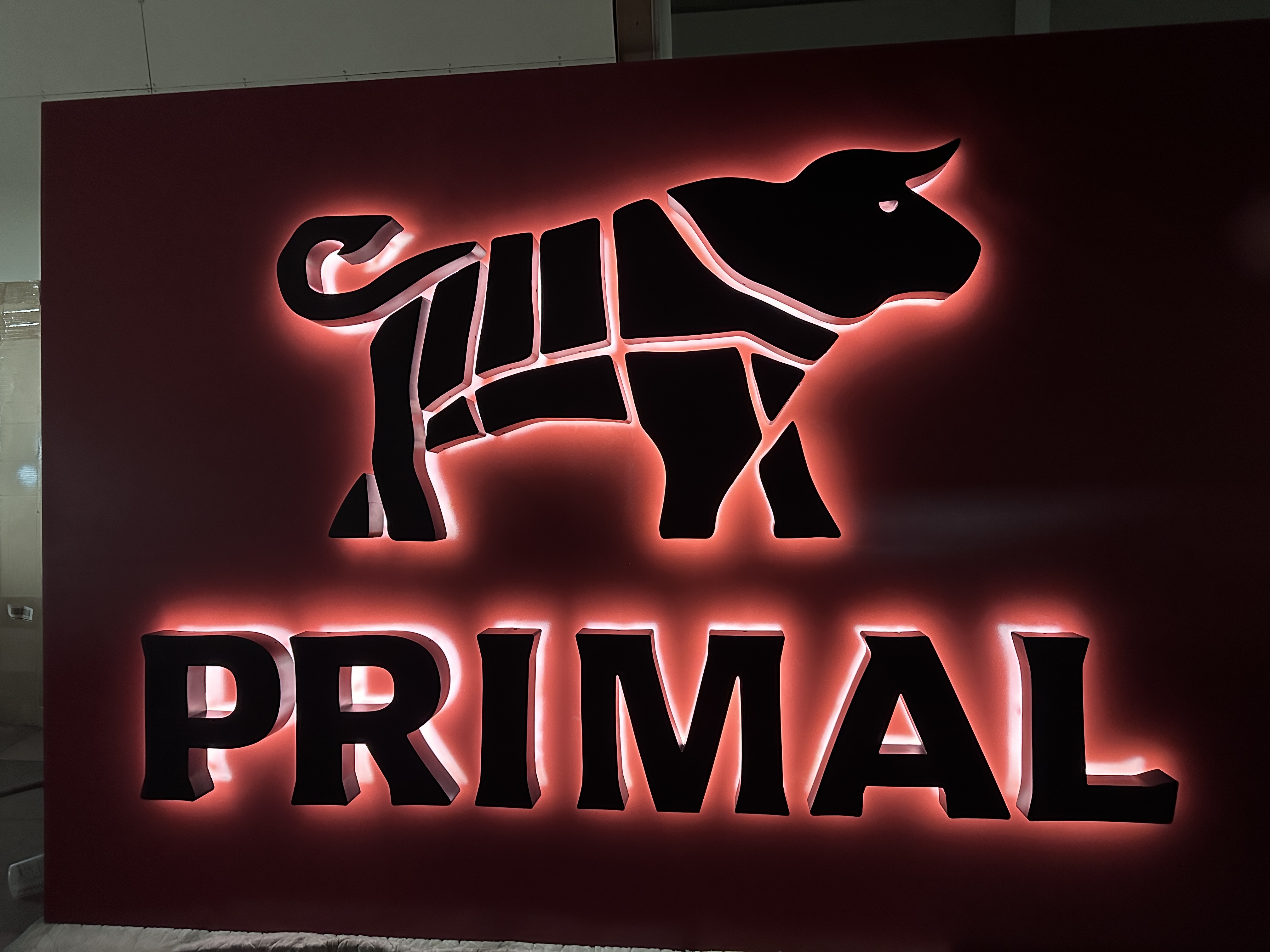
The letter faces are solid, often metal, and the light shines out the back onto the wall, outlining each letter in a soft glow. The look is quieter and more refined.
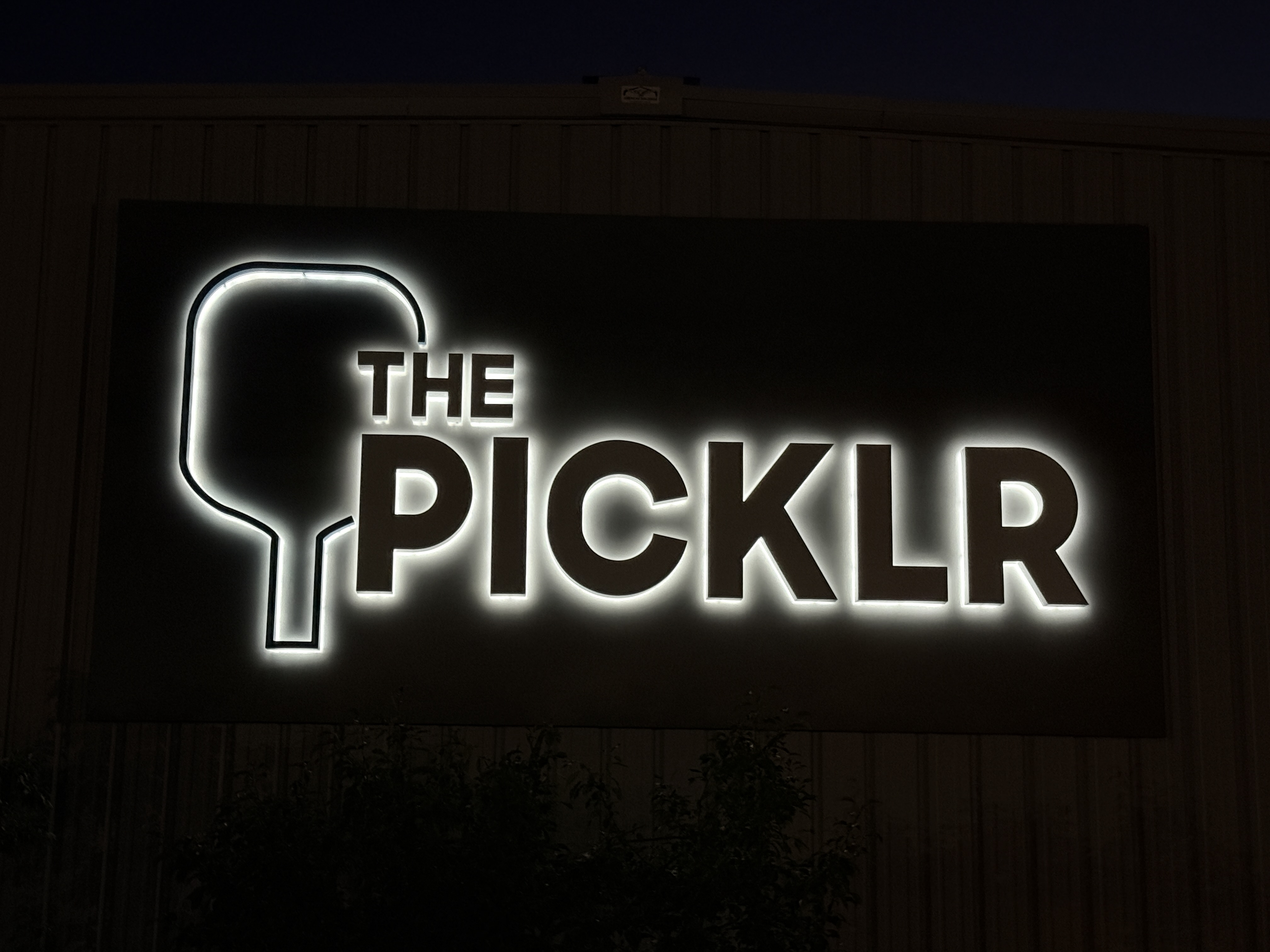
Light shows along the sides or outline of each letter while the face stays darker, drawing a crisp line of light around every shape.
Construction is what the sign is made of and how it is put together. It decides the sign's shape, its depth, and how it meets the wall or the ground.
Each of these three methods can hold lights inside, which is why they are the ones most often paired with a lighting effect:

Each letter is built as its own shallow metal channel, with sides, a back, and room for lights inside. Channel letters can be face-lit, halo-lit, or left unlit.
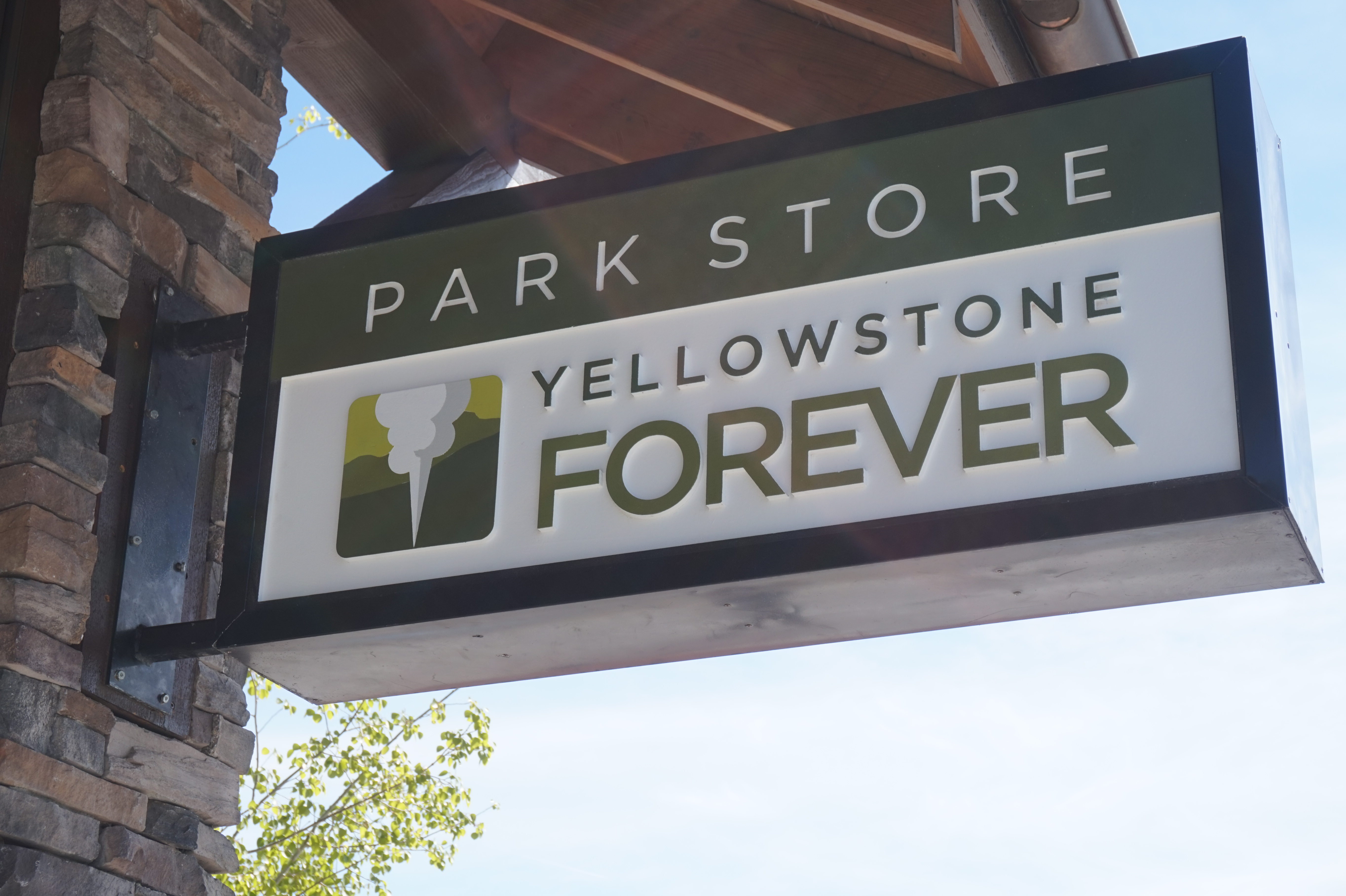
One box holds the whole message on a flat face, mounted on a wall, a post, or a bracket. A cabinet keeps the sign in a single piece that is simple to install.
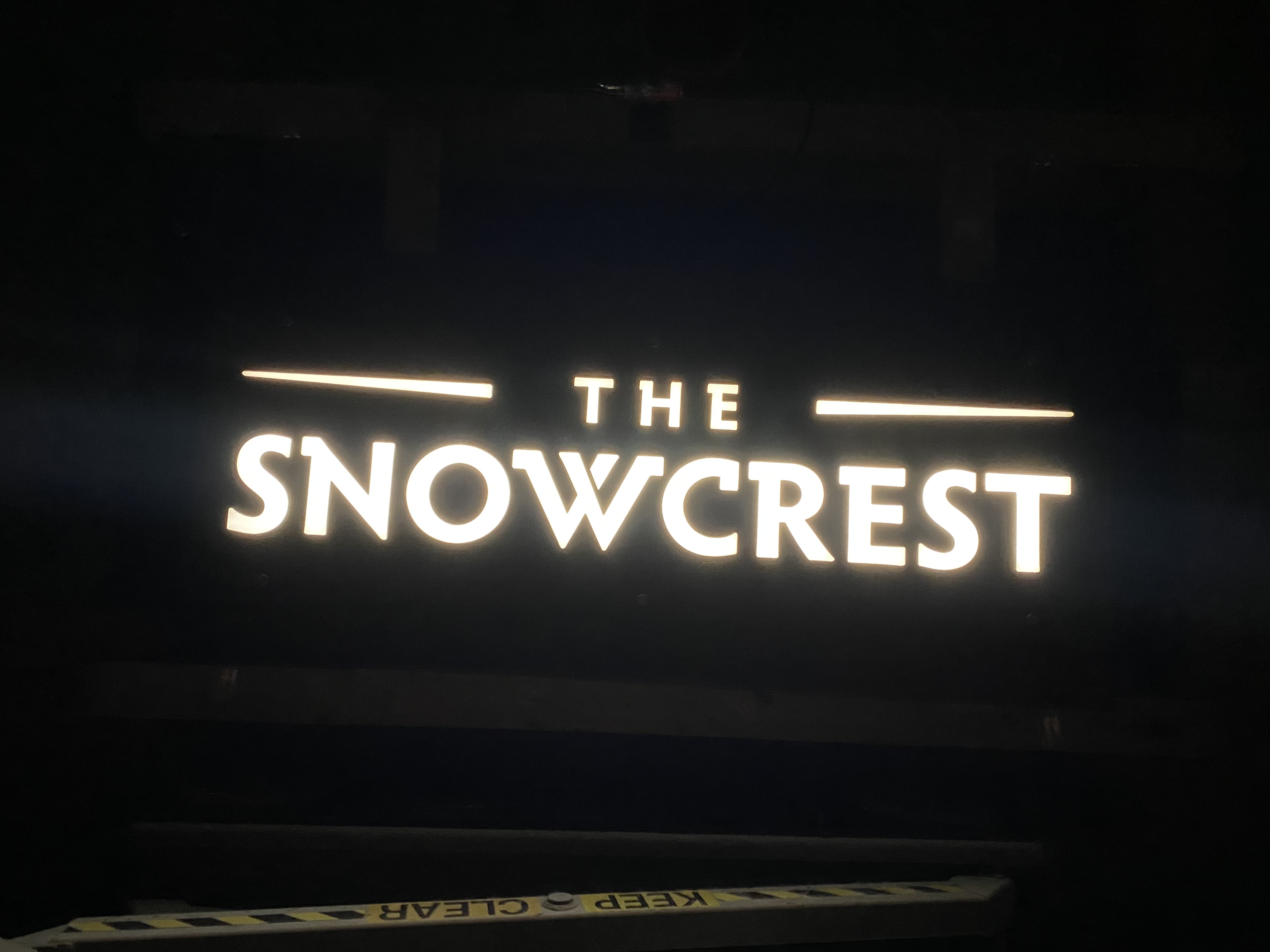
Letters cut from thick acrylic are pushed through openings routed in a solid face, so they stand out from the surface and glow while the face stays dark.
Not every sign needs to glow. Much of our work is built from natural materials and seen by daylight, or by a lamp aimed at its face:
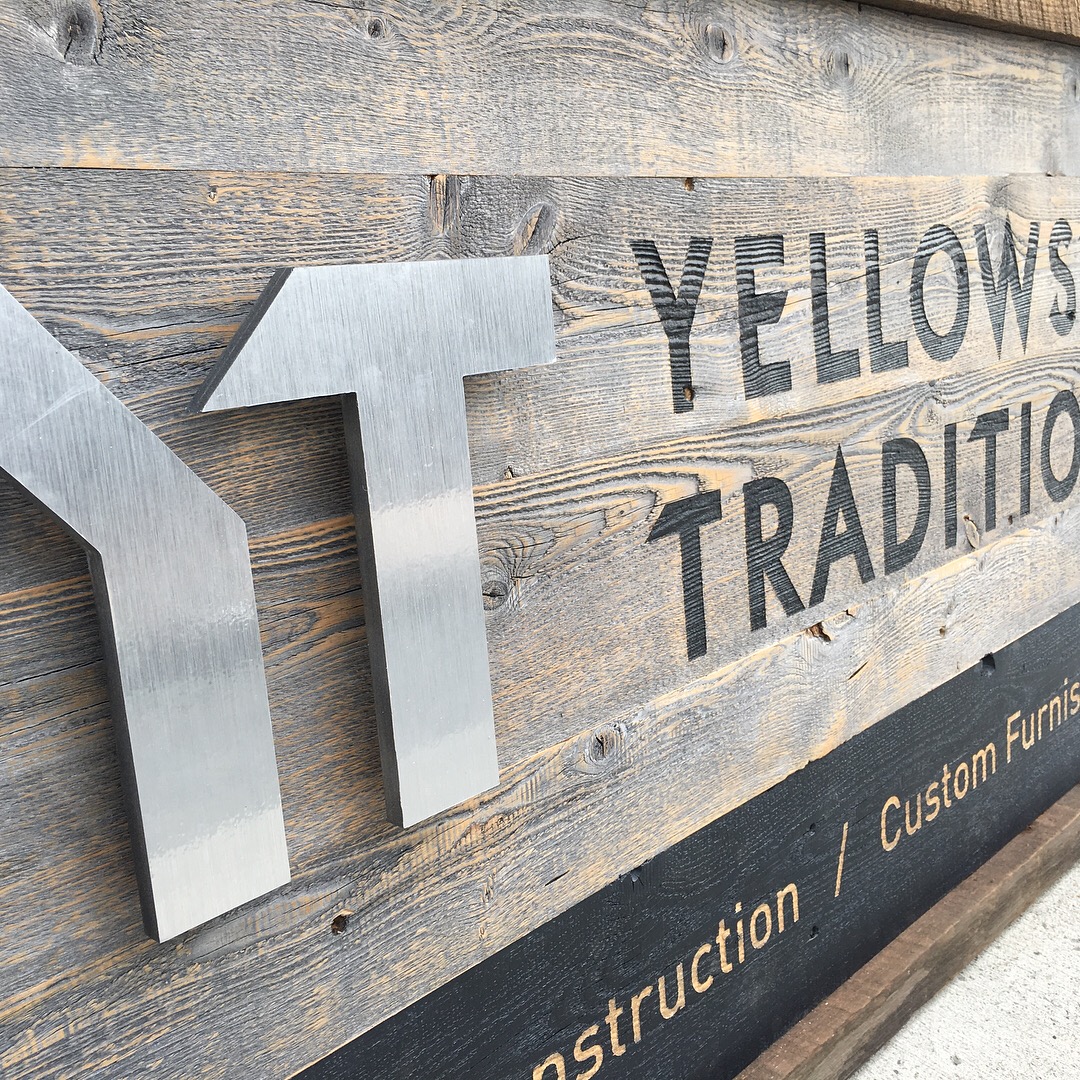
Because lighting and construction are separate choices, they combine in many ways. A few pairings you will see on this page and around town:
Send us a photo of a sign you like, from this page, from our gallery, or from anywhere you have seen one. Tell us where your sign will go, whether it needs to be seen at night, and roughly how much space you have.
We will tell you what that sign is called, how it is built, and which lighting and construction we would recommend for your building.
Share a photo or a rough idea, your location, and your timeline, and we will talk through the options with you.
Please enter your name.
Please enter your email.
Enter a valid email address.
Please tell us a bit about your needs.
Enter a 10-digit phone number.
Please fix the highlighted fields and try again.
Sending...
Something went wrong. Please try again or call us.
Please answer this question.
This form is not connected yet. Please call us instead.
Too many attempts just now. Please try again in a minute.
That file is too large. Please attach a smaller one, or send it by email.
Something went wrong sending your message. Please try again.
Could not reach the server. Please check your connection and try again.
Spam check
